

In sickness and in health
 March 20, 2007 -- Today Novinite.com (Sofia News Agency) reported that the
mayor of a Bulgarian village had offered a cash prize "for the first
bachelor who manages to marry a nurse." The small village is apparently
desperate to attract a nurse to provide care because there are currently
no nurses or physicians nearby. Of course, the shortage of health workers
in rural areas is a global phenomenon, especially during the current
nursing shortage. But this town's idea is certainly a novel change from
the common "nurse-as-sex-object" image. You could argue it's still
troubling to link nursing with romantic love and self-sacrifice. We're
just wondering how this could affect nursing recruitment and retention
worldwide.
March 20, 2007 -- Today Novinite.com (Sofia News Agency) reported that the
mayor of a Bulgarian village had offered a cash prize "for the first
bachelor who manages to marry a nurse." The small village is apparently
desperate to attract a nurse to provide care because there are currently
no nurses or physicians nearby. Of course, the shortage of health workers
in rural areas is a global phenomenon, especially during the current
nursing shortage. But this town's idea is certainly a novel change from
the common "nurse-as-sex-object" image. You could argue it's still
troubling to link nursing with romantic love and self-sacrifice. We're
just wondering how this could affect nursing recruitment and retention
worldwide.
The piece reports that Mayor Arben Mimenov of Satovcha has announced a prize of BGN 1,000 for the first local "bachelor" who marries a nurse. It's not clear whether the prize would be available to a woman who marries a nurse, or to someone who marries a physician. The piece explains the mayor's reasoning as being that "there are no nurses and doctors [here] and locals have to travel or wait for [] days when a doctor shows up for a couple of hours." Mimenov is quoted as saying: "We used to have nurses here before but they got married and left to other villages, so now it's our boys' turn to make sure we have someone to give us shots again." Of course, shots are valuable, but hardly an adequate description of what nurses do. The piece notes that the major has even paid for bachelors to travel to "Blagoevgrad where the nearest medical academy is located." It quotes "locals" as "jok[ing]": "There are a lot of girls there, we are bound to snatch away at least one." The piece sums up the town's thinking as being that "[l]ove is the only reason that could tie a nurse in the small village."
Lack of access to care is actually a serious issue in rural communities
worldwide, especially during the current nursing shortage, which has
included a notable migration of health workers away from such communities. Assuming this story is accurate, the village's desperation
is understandable. We're a little uneasy at the 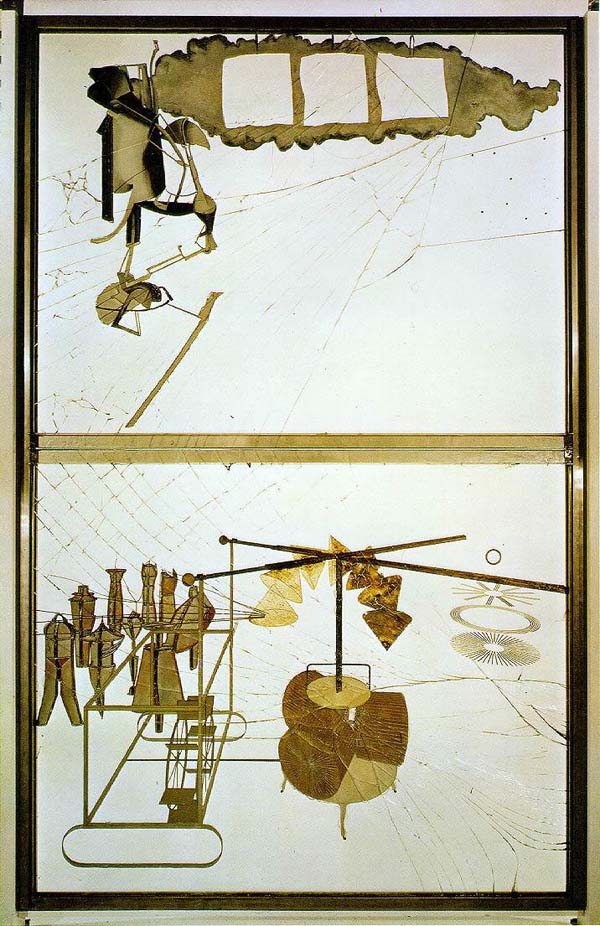 linkage of nursing
services and romance, even when the nurse is the one being offered the
romance for her professional services. Nursing is a profession, and not
just a vocation one does out of a sense of noble self-sacrifice, a concept
that has been used to justify underfunding the profession. Also, is this a
paid job? Or is the idea that the nurse will provide health care services
to the village without compensation? Does this assume that females are
more willing to alter their career plans for love? And what about the
bachelors? Doesn't this set them up as romantic pawns in a game between
the village and the nurse--the bachelors stripped bare by their bride,
even?
linkage of nursing
services and romance, even when the nurse is the one being offered the
romance for her professional services. Nursing is a profession, and not
just a vocation one does out of a sense of noble self-sacrifice, a concept
that has been used to justify underfunding the profession. Also, is this a
paid job? Or is the idea that the nurse will provide health care services
to the village without compensation? Does this assume that females are
more willing to alter their career plans for love? And what about the
bachelors? Doesn't this set them up as romantic pawns in a game between
the village and the nurse--the bachelors stripped bare by their bride,
even?
Whatever the answers to those burning questions, we can't help but wonder what the broader implications of the town's idea might be. What might hospitals and staffing agencies elsewhere make of the idea that a nurse can be attracted to a given practice environment through romantic love? Is this the final frontier of nursing recruitment and retention--or would that be something even more radical, like adequate clinical resources?
We thank Novinite.com for this thought-provoking item.
See the story "Bulgarian Mayor Prizes Man who Weds Nurse as Village has None" posted on March 20, 2007 on Novinite.com, the Sofia News Agency.



Educate the world that nurses save lives!
